For Veterans
Blogs
Big Changes Might Be Coming to VA Health Care
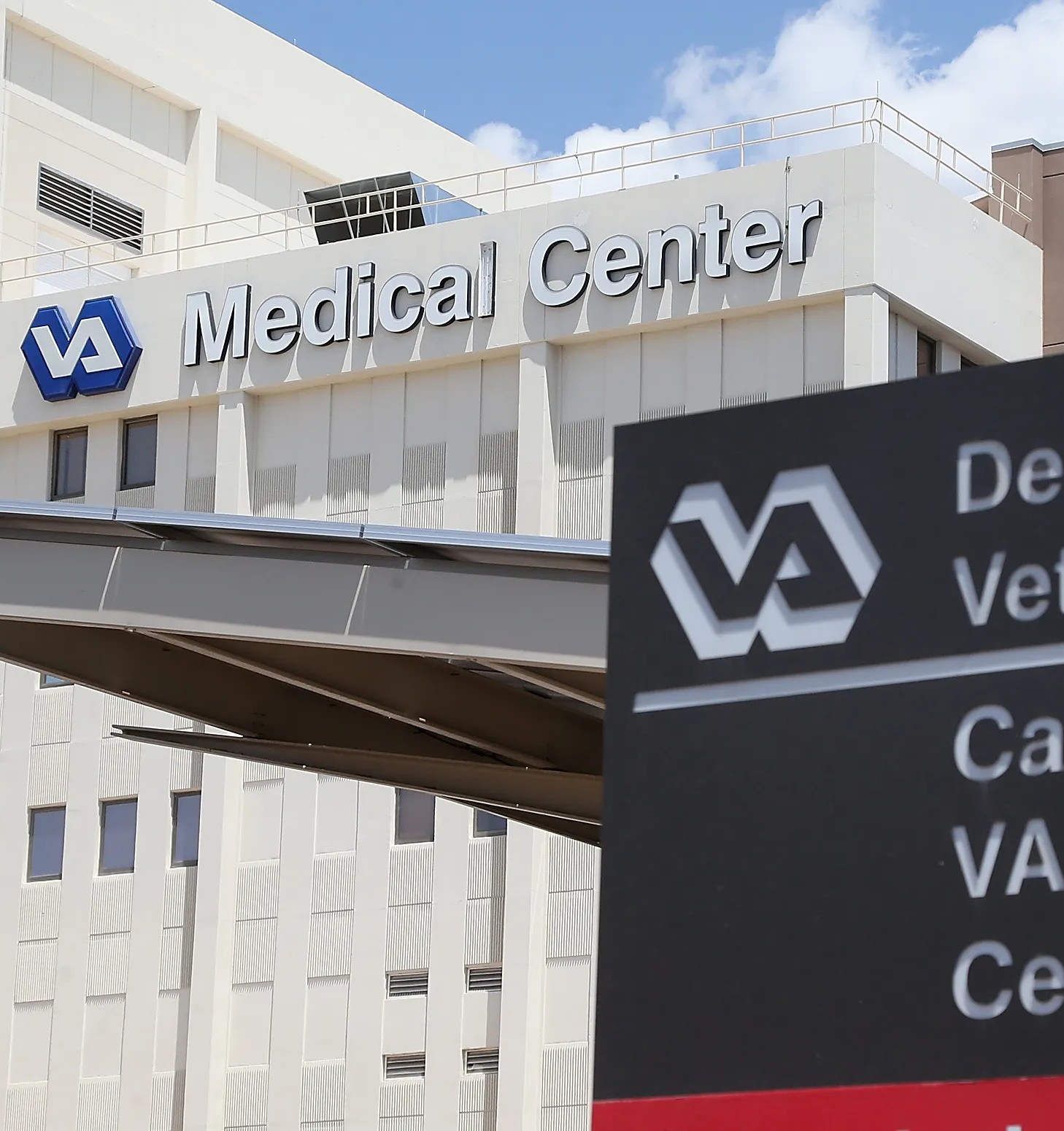
On February 11, VA Secretary Doug Collins spoke to Congress about a big plan to reorganize the Veterans Health Administration (VHA). The VHA runs the largest health care system in the United States, so any change affects millions of Veterans.
Some lawmakers support the idea. Others are worried about how much it will cost and how it might affect care.
How Much Would This Plan Cost?
During the hearing, Rep. Debbie Wasserman Schultz asked about the price tag. She said the plan could cost:
$521 million in the first year
$312 million over five years
Right now, the VA has no money set aside for this change.
She asked where the money would come from. Secretary Collins said he would move funds from other VA accounts. When she asked if the VA would officially request permission to move the money, he answered, “Probably.”
Before she could ask more questions, the hearing ended suddenly.
What Would the VA Change?
Today, the VA health system is split into 18 regions called VISNs (Veterans Integrated Service Networks). Each VISN oversees the hospitals and clinics in its area—usually across one or two states.
Secretary Collins wants to:
Cut the number of VISNs from 18 to 5
Add two new layers of management
Create a new Medical Operations Center
He says this will reduce extra paperwork and help local VA facilities get more support.
Many experts are not sure this will work.
Why Do VISNs Exist in the First Place?
In 1994, Dr. Kenneth Kizer helped redesign the VA health system. At that time, VA hospitals were not well connected. One hospital often had no idea what another was doing.
VISNs were created to:
Connect hospitals and clinics
Improve communication
Track patient outcomes
Share information
Support both hospital and outpatient care
Over the years, the VA became one of the most complex health systems in the world. It does far more than most private hospitals, including:
Treating Veterans
Training doctors and nurses
Conducting medical research
Preparing for public health emergencies
Helping fight homelessness
Paying community doctors through the Veterans Community Care Program
Studies show VA care often matches—or even beats—private health care in quality.
Why Are People Concerned?
Critics say the new plan could create confusion and slow down care.
Under the proposal:
Each new region would cover many more states
Some regions would manage over 2 million patients
Some would oversee more than 400 facilities
These facilities include:
Hospitals
Outpatient clinics
Mental health Vet Centers
Nursing homes
Spinal cord injury centers
PTSD and substance use programs
Critics ask: If 18 regions were hard to manage, how will 5 be easier?
They also warn that big reorganizations often:
Slow down services
Stress out staff
Cause confusion
Lower productivity
Sometimes fail completely
Some believe the real problem is too much bureaucracy at VA headquarters—not in the VISNs.
Did the VA Get Enough Input?
In the 1990s, when the VA reorganized, leaders:
Talked with employees
Worked with unions
Met with Veterans groups
Asked experts for advice
Wrote a detailed 134‑page plan
Critics say this time feels different. Some Veterans groups say they were not given enough information to give real feedback.
A Simple Way to Think About It
One former VA leader compared the plan to fixing a house.
If you don’t like your carpet or your kitchen, you don’t tear down the whole house. You fix the parts that need fixing.
Some lawmakers worry this new plan tears down too much at once—and Veterans could be hurt if the system struggles during the change.
What This Means for Veterans
Everyone agrees the VA can improve. The question is how to improve it without hurting Veterans in the process.
Right now, lawmakers are still asking questions. Veterans may want to stay updated as this proposal moves forward.
Your health care matters. Changes this big should be handled with care.

Transparency & Legal Notice
VA Claims Navigator (VACN) is an independent, veteran-led nonprofit organization and is not affiliated with the U.S. Department of Veterans Affairs (VA).
VACN is not a Veterans Service Organization (VSO), accredited representative, attorney, or authorized VA claims agent.
Our mission is to provide education, training, and informational resources that help veterans better understand the VA disability claims process.
Veterans remain responsible for preparing and submitting their own claims to the VA.
Free assistance may also be available through VA-accredited representatives and organizations such as:
• Disabled American Veterans (DAV)
• Veterans of Foreign Wars (VFW)
• The American Legion
• State and county veterans service offices
• Other accredited representatives and attorneys
Participation in VACN training programs is completely voluntary, and our goal is to provide veterans with knowledge and clarity so they can make informed decisions about their claims.
Any examples or information shared through our website or training programs are provided for educational purposes only and do not guarantee outcomes. Every VA claim is unique, and results will vary.
Information provided by VACN should not be considered legal, medical, or official VA advice.
VACN does not file, submit, or represent veterans in VA disability claims.
Any donations or membership proceeds help fund training, educational resources, and future veteran support initiatives, including:
• veteran mental health programs
• scholarships
• family support efforts
© 2026 VA CLAIMS NAVIGATOR, INC.


